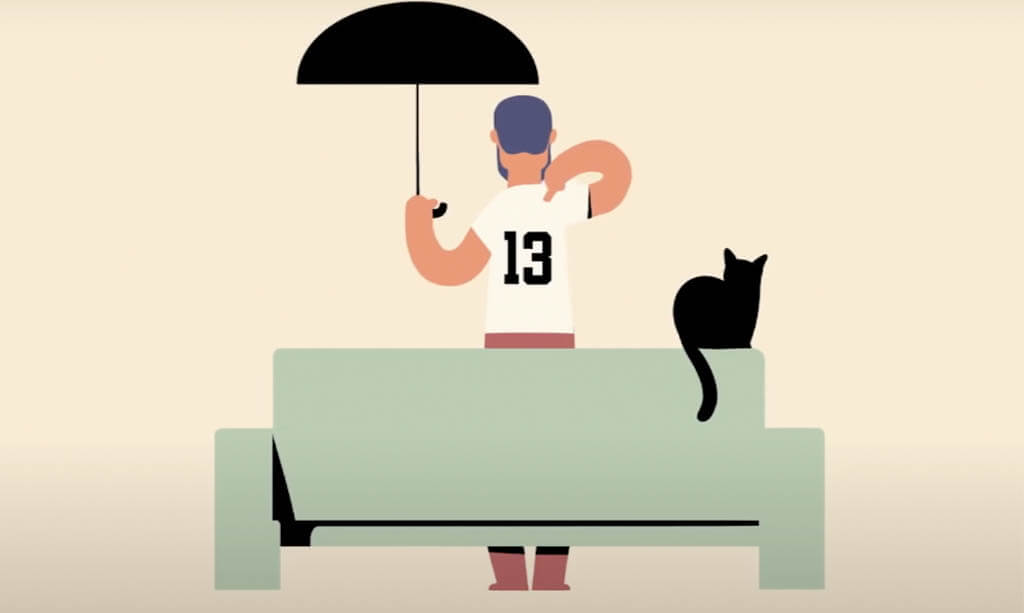

The main goals of this ESL lesson plan are to:
- – Learn superstition vocabulary including “supernatural,” “irrational,” and “conscious” while exploring cultural beliefs in this upper intermediate ESL lesson plan.
- – Practice modal verbs for permission, obligation, prohibition, and necessity using “could,” “might,” and “may” for adult English lessons.
- – Watch videos about superstition origins and complete comprehension activities using these English teaching materials.
In this Upper-Intermediate lesson plan, students will learn about superstitions and modal verbs of permission, obligation, prohibition, and necessity.
Warm-up
The lesson starts with a few warm-up questions to check the student’s knowledge of superstitions.
Video: Where do superstitions come from?
The student learns new vocabulary before watching a video (supernatural, associate, irrational, conscious, etc.) and practices using it in sentences.
Next, they watch the video Where do superstitions come from? and answer the video comprehension questions.
Grammar: Modal verbs – permission, obligation, prohibition, necessity
The student learns which modal verbs to use when talking about permission, obligation, prohibition, or necessity (could, might, may, etc.).
The lesson ends with an activity in which the student tries to guess the superstitions hiding behind emojis.
Lost in Translation
In this advanced ESL lesson, students practice vocabulary, reading comprehension, and discussion, finishing…

The Party Survival Guide
This proficiency lesson explores the unwritten rules of party conversation through vocabulary, reading,…

What Is Critical Thinking?
This intermediate lesson practices reading comprehension, using topic-specific vocabulary, discussing opinions and writing.
…